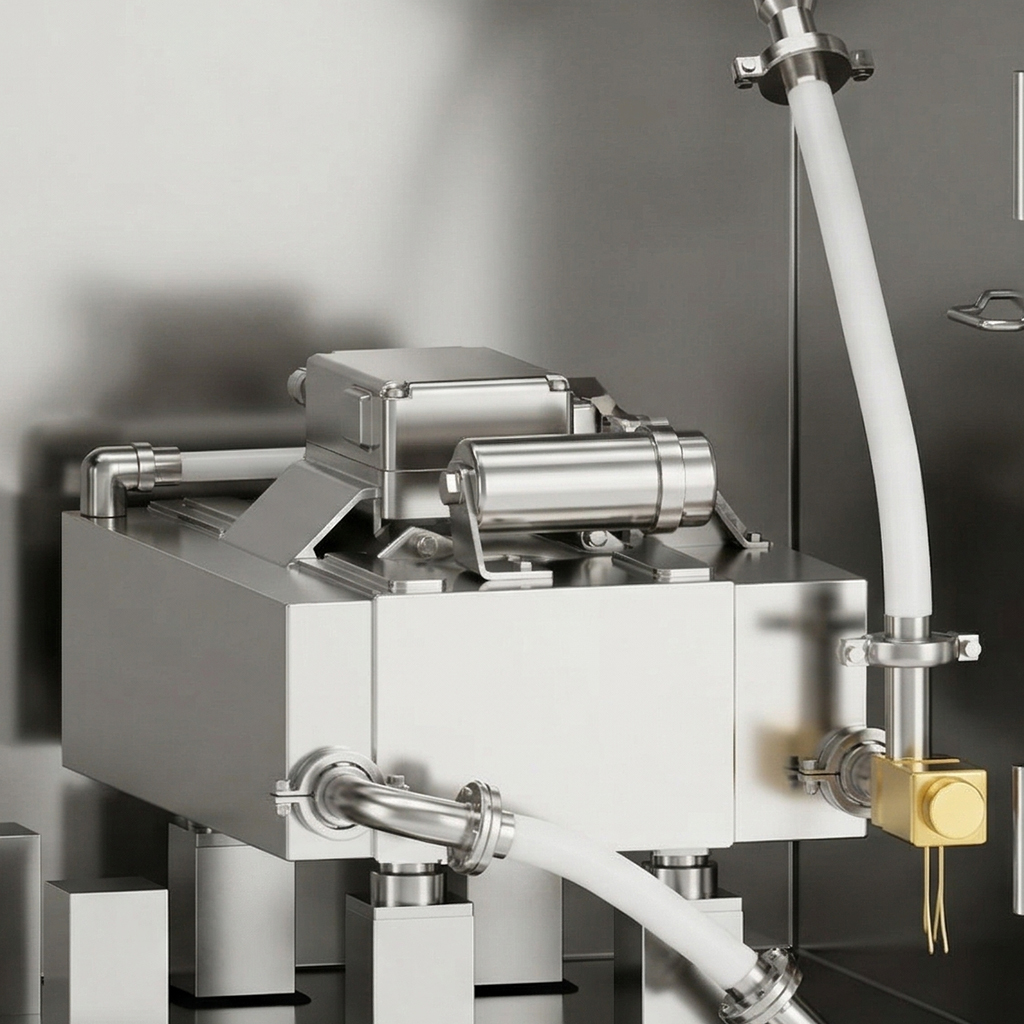
Vacuum systems

Vacuum systems allow for the generation of negative pressure within equipment or process circuits, facilitating various industrial operations where it is necessary to remove air, gases, or vapors from the system. In pharmaceutical, biotechnological, and cosmetic facilities, vacuum is used to improve the efficiency of certain processes, protect product quality, and facilitate transfer or treatment operations.

These systems are integrated into the plant's utility infrastructure, providing a controlled vacuum source for various equipment and stages of the production process.
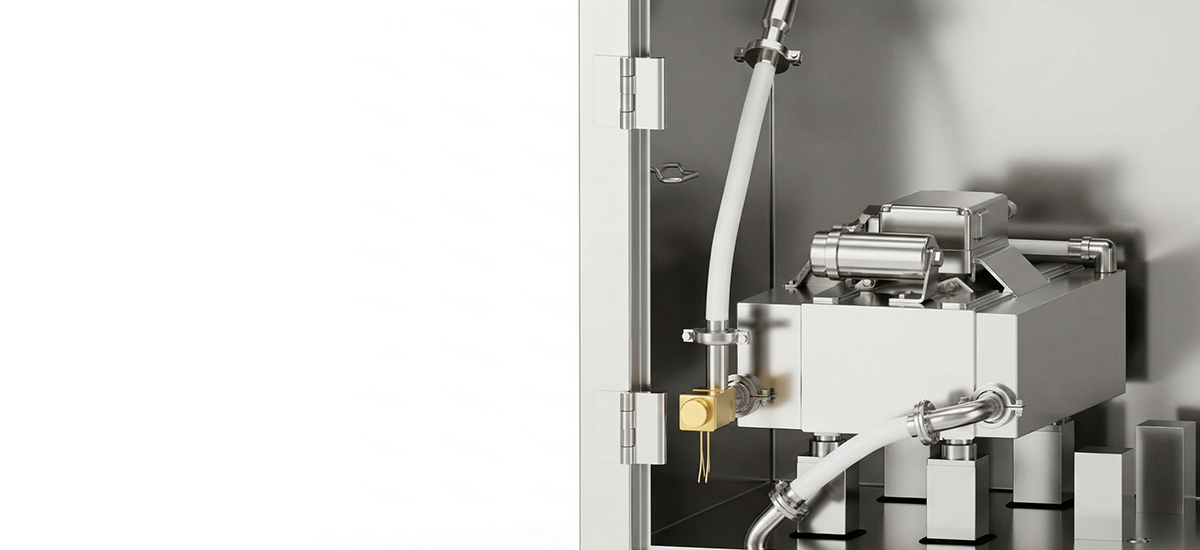
Vacuum systems 

Vacuum systems allow for the generation of negative pressure within equipment or process circuits, facilitating various industrial operations where it is necessary to remove air, gases, or vapors from the system. In pharmaceutical, biotechnological, and cosmetic facilities, vacuum is used to improve the efficiency of certain processes, protect product quality, and facilitate transfer or treatment operations. 

These systems are integrated into the plant's utility infrastructure, providing a controlled vacuum source for various equipment and stages of the production process. 

Technology and integration 

Integration of vacuum systems adapted to the process
Configuration according to vacuum level and required flow rate
Integration with reactors, deaeration, or transfer
Connection to centralized vacuum networks in plant
Instrumentation for pressure control and monitoring
Integration with control and monitoring systems

Productive versatility

Degassing of products and processes
Vacuum allows for the removal of air or dissolved gases in process liquids, improving product stability and facilitating operations where the presence of air can affect the quality or process yield.
Product transfer
It is used to facilitate fluid movement within process circuits when controlled suction is required or when product characteristics make it difficult to transport using other systems.
Thermal processes and evaporation
In certain operations, vacuum allows for the reduction of liquid boiling points, facilitating heat treatments at lower temperatures and protecting sensitive compounds.
Process Vapor and Gas Management
It allows for the extraction of vapors or gases generated during the process, contributing to the maintenance of stable conditions within the equipment and improving the control of the production environment.

Key solutions and benefits

Stable vacuum generation for process operation

Allows maintaining controlled vacuum levels in equipment and production circuits.

Performance improvement in degassing operations

Optimization of sensitive thermal processes

Optimization of sensitive thermal processes

It allows operation at lower temperatures by reducing the boiling point of fluids.

Control of vapors and gases generated in the process

Facilitates controlled gas extraction to maintain operational stability.

Integration with Multiple Process Teams

It can feed reactors, transfer systems, or other vacuum network-connected equipment.

Connection to plant-wide centralized vacuum networks

Allow distribution of the utility from empty to various points of use within the facility.

Applications

Pharmaceutical sector

Deaeration of pharmaceutical solutions
Product transfer by aspiration
Boiling point reduction
Process vapor extraction
Vacuum applications in reactors
Bulk product stabilization“

Biotechnology sector

Deaeration of culture media
Vacuum application in buffer solutions
Gas extraction in fermentation
Vapor control in bioprocesses
Vacuum fluid transfer
Stabilization of biological solutions

Cosmetics industry

Deaeration of creams and emulsions
Application of vacuum in mixing processes
Vapor extraction during heating
Vacuum transfer of products
Gas removal in formulations
Cosmetic product stabilization

Veterinary sector

Deaeration of veterinary solutions
Application of vacuum in animal mixtures
Vapor extraction in formulations
Product transfer by aspiration
Gas removal from solutions
Veterinary product stabilization