
SIP Systems (Sterilize In Place)

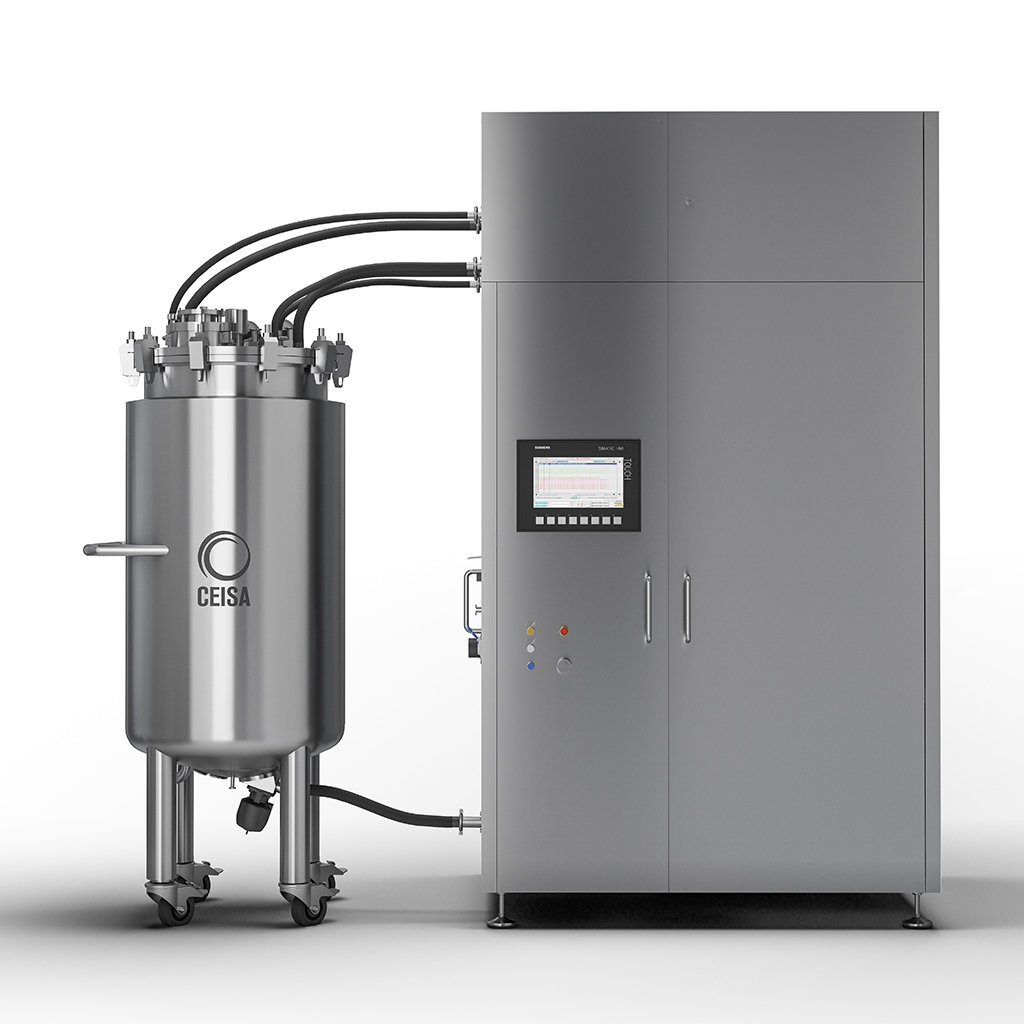
SIP systems allow for automatic sterilization of equipment and process lines using clean steam, without the need for disassembly. They are designed to ensure sterile conditions in regulated environments, guaranteeing precise control of sterilization pressure, temperature, and time.

Your setup is geared towards processes where the elimination of microbial load is critical, facilitating cycle validation and compliance with GMP requirements in the pharmaceutical and veterinary sectors.
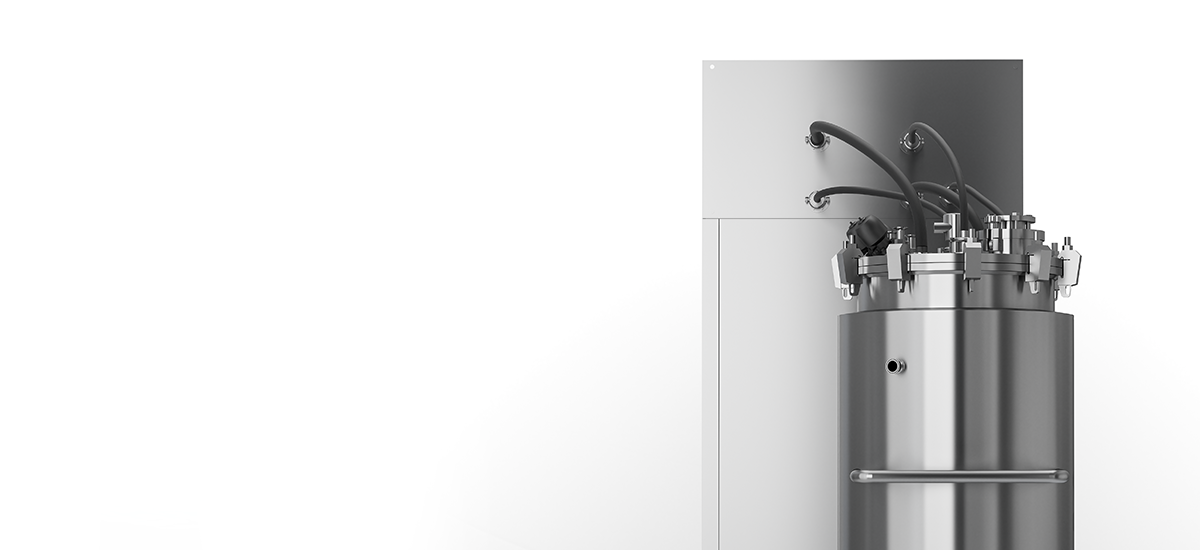
SIP Systems (Sterilize In Location 

SIP systems allow for automatic sterilization of equipment and process lines using clean steam, without the need for disassembly. They are designed to ensure sterile conditions in regulated environments, guaranteeing precise control of sterilization pressure, temperature, and time.

Your setup is geared towards processes where the elimination of microbial load is critical, facilitating cycle validation and compliance with GMP requirements in the pharmaceutical and veterinary sectors.

Technology and design

Custom design and manufacturing with 3D model and P&ID validation
SIP or SIP/DIP configuration as required for drying
Clean steam application (minimum 2 barg)
Automatic steam pressure regulation
Automatic steam temperature regulation
Condensate temperature control
Automatic sterilization time control
F0 value control according to process
Sterilization of 1 to 5 lines in series or parallel
Installation lengths up to 100 m
Line diameters between ½” and 4”
Instrumentation: pressure, temperature, level and 0.22 µm filter
Automation via HMI and SCADA with 21 CFR option
Documentation according to GMP and ATEX when applicable

Productive versatility

SIP of reactors

Allows complete sterilization of the reactor's internal volume, including lids, bottoms, agitators, and product-contact accessories. Pressure, temperature, and time control ensure uniform and validatable sterilization before batch startup.

Hose kit

Designed to sterilize flexible circuits used in product transfer, ensuring the elimination of microbiological load at critical points. Especially relevant in multi-product facilities or sterile processes.

Process line SIP

Allows for automatic sterilization of pipes, valves, and exchangers in manufacturing lines, ensuring aseptic conditions before sensitive operations such as filling or sterile bulk production.

Fixed SIP System Configuration

Permanent installation integrated into the plant, connected to the clean steam network and the overall control system. Allows for programmed sterilization cycles with high repeatability and traceability, especially in facilities with recurring sterile processes.

Mobile SIP System Configuration

Skid-mounted, movable configuration for sterilizing various equipment within the plant. It maintains the same automatic steam regulation controls and critical parameters, providing flexibility in facilities where a dedicated fixed system is not required.
Solutions and benefits

Complete sterilization without dismantling the installation

They allow for the sterilization of equipment and lines using clean steam directly on-site.

Precise sterilization cycle control

They automatically regulate pressure, temperature, and time during the process.

Guarantee of sterile conditions before production

They prepare the equipment to work with products that require an aseptic environment.

Sterilization cycle repeatability

Automation ensures that each cycle runs under the same conditions.

Facilidad de validación del proceso

Parameter and F0 value control allows for the documentation of sterilization.

Integration into facilities with sterile processes

They are incorporated into process lines that require aseptic conditions.

Applications

Pharmaceutical sector

Sterilization of sterile formulation reactors
Sterilization of bulk product lines“
Sterilization of transfer circuits
Aseptic preparation before filling
Sterilization of process equipment
Sterile control in pharmaceutical manufacturing

Biotechnology sector

Sterilization of fermentation bioreactors
Sterilization of culture media lines
Sterilization of buffer solution circuits
Sterile preparation of biological systems
Sterilization of auxiliary equipment
Aseptic control in biotechnological processes

Cosmetics industry

Sterilization of cosmetic formulation reactors
Sterilization of liquid solution lines
Hygienic Preparation of Cosmetic Equipment
Sterilization of transfer systems
Sterilization of circuits with microbiological control
Hygienic control in cosmetic production

Veterinary sector

Sterilization of veterinary reactors
Sterilization of animal solution lines
Sterile preparation of veterinary equipment
Sterilization of transfer systems
Sterilization of antiseptic equipment
Sterile control in veterinary manufacturing