

Conceptual and basic engineering
We develop the conceptual and basic engineering for each project, defining user requirements and evaluating investment, establishing the technical basis for the installation, including project planning, defining the plant layout, and equipment location. We ensure a coherent, efficient, and adapted solution for each process.

Conceptual and basic engineering
We develop the conceptual and basic engineering for each project, defining user requirements and evaluating investment, establishing the technical basis for the installation, including project planning, defining the plant layout, and equipment location. We ensure a coherent, efficient, and adapted solution for each process.
We adapt to our clients' needs and the unique aspects of each project.
Engineering in detail
3D CAD representation according to a previously defined P&ID.
We develop the complete three-dimensional representation of the process from the previously validated P&ID, allowing visualization of the entire facility before its manufacturing and assembly. This 3D model allows us to:
- Analyze interference between equipment, piping, and structures.
- Optimize process, maintenance, and cleaning routes.
- Validate spaces, access, and operational ergonomics.
- Detect potential design improvements before execution.
With this approach, we reduce errors in later project phases, optimize execution times, and ensure greater reliability of the final design.
Generation of 2D isometric plans and implementation plans for equipment placement.
From the 3D model, we create all the technical documentation necessary for the manufacturing, assembly, and installation of the project.
- Isometric pipe plans.
- Manufacturing and assembly plans for equipment.
- Implementation plans for the correct placement of each element on the floor plan.
- Construction details for the mechanical installer and the client.
This documentation ensures precise project execution, minimizing deviations, rework, and downtime during the assembly phase.
Definition of technical specifications for equipment and materials.
We exhaustively define the technical specifications of all equipment, components, and materials that are part of the system, ensuring their compatibility with the process and compliance with pharmaceutical industry regulations.
- Material Selection Based on Product and Process.
- Surface finish and welding requirements.
- Applicable regulations (GMP, ASME, PED, etc.).
- Cleaning, sterility, and maintenance requirements.
This work guarantees the quality, safety, and durability of the installation, as well as its correct subsequent validation.
Sizing of installations.
We perform the complete calculation and sizing of the installation, taking into account the actual operating and production parameters defined by the client. The objective is to ensure that each system operates stably, efficiently, and safely from day one, avoiding both unnecessary oversizing and future operational limitations.
Sizing Productive Areas and Cleanrooms.
We design and dimension productive areas and cleanrooms according to the specific requirements of each pharmaceutical process, strictly complying with GMP regulations and international quality standards.
The distribution of spaces, the flow of personnel and materials, environmental conditions, and the integration of equipment within the production layout are studied in detail to create a controlled, safe, and fully validatable production environment, while simultaneously optimizing plant productivity.
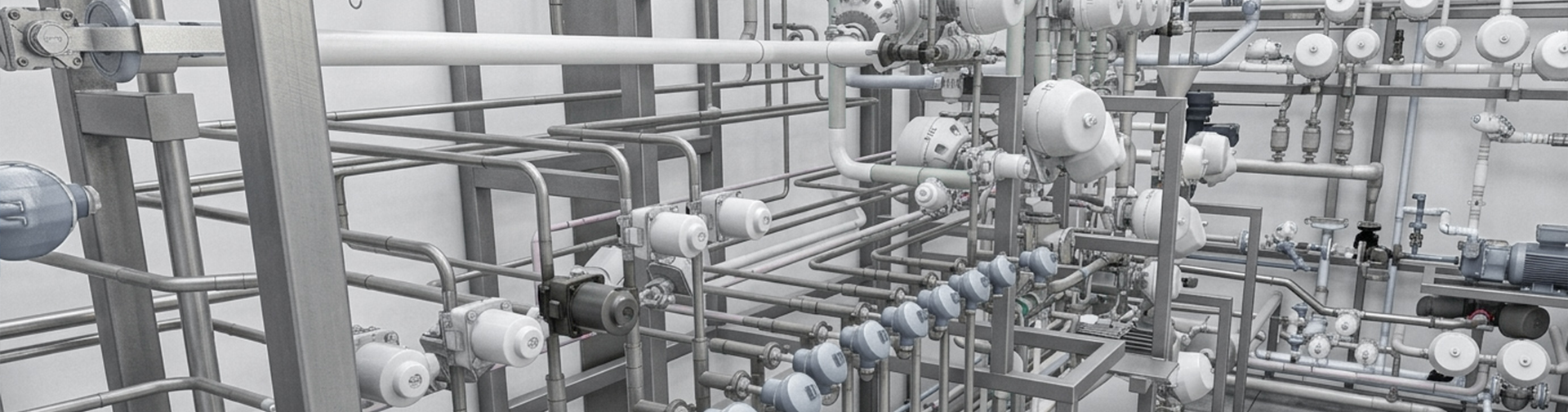
P&ID Development
P&ID definition
We transform client requirements into a clear, functional process structure that is completely aligned with the project's productive and regulatory objectives. We analyze each operational need and translate it into an optimal process design, which will serve as the foundation for all subsequent engineering and execution phases.
Process flow description
We precisely define how the entire process should function, establishing the relationship between equipment, process lines, and instrumentation. This approach allows us to optimize system performance, anticipate potential operational limitations, and ensure stable and safe operation from day one.
Symbology and coding
We define and identify all components of the process using standardized symbology and technical coding systems, including equipment tags, instrumentation, and lines. This approach ensures clear interpretation, complete traceability, and coordinated and efficient execution across all project phases.
3D modeling
We develop a 3D model of the process to visualize, analyze, and optimize the installation before its manufacturing and plant integration.
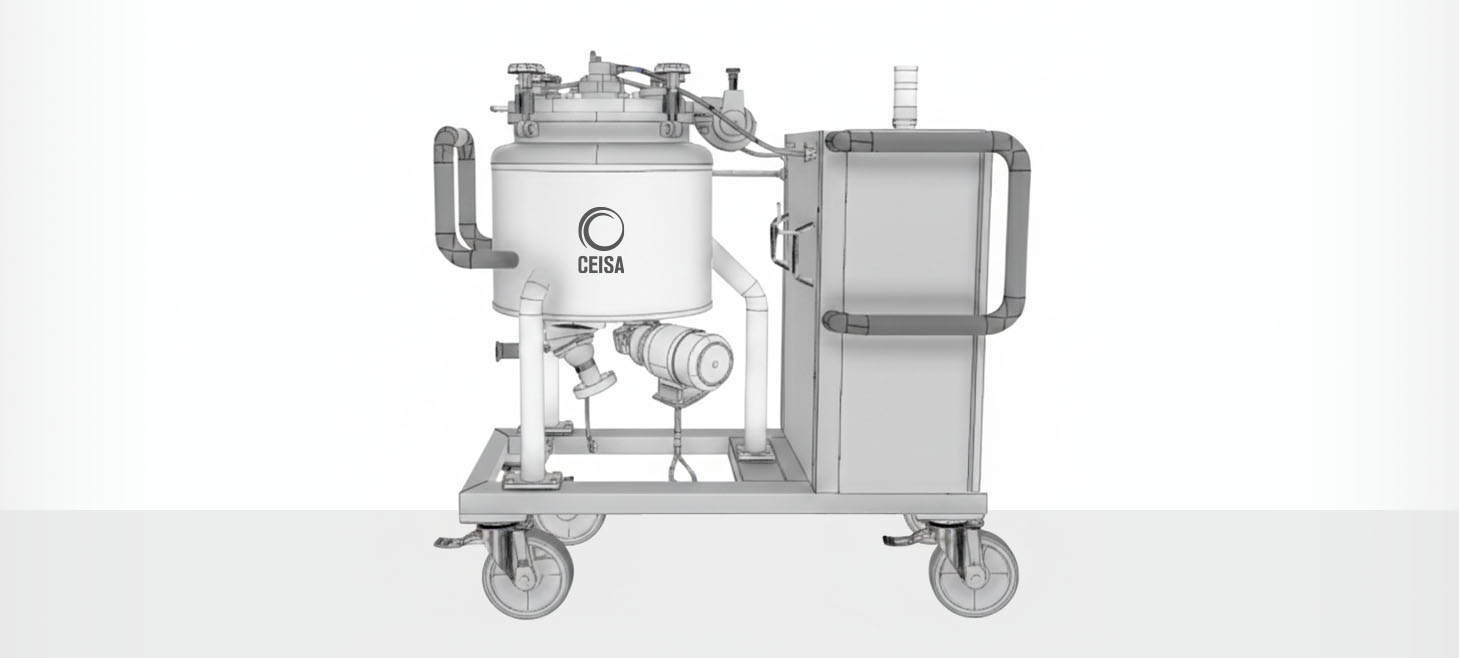
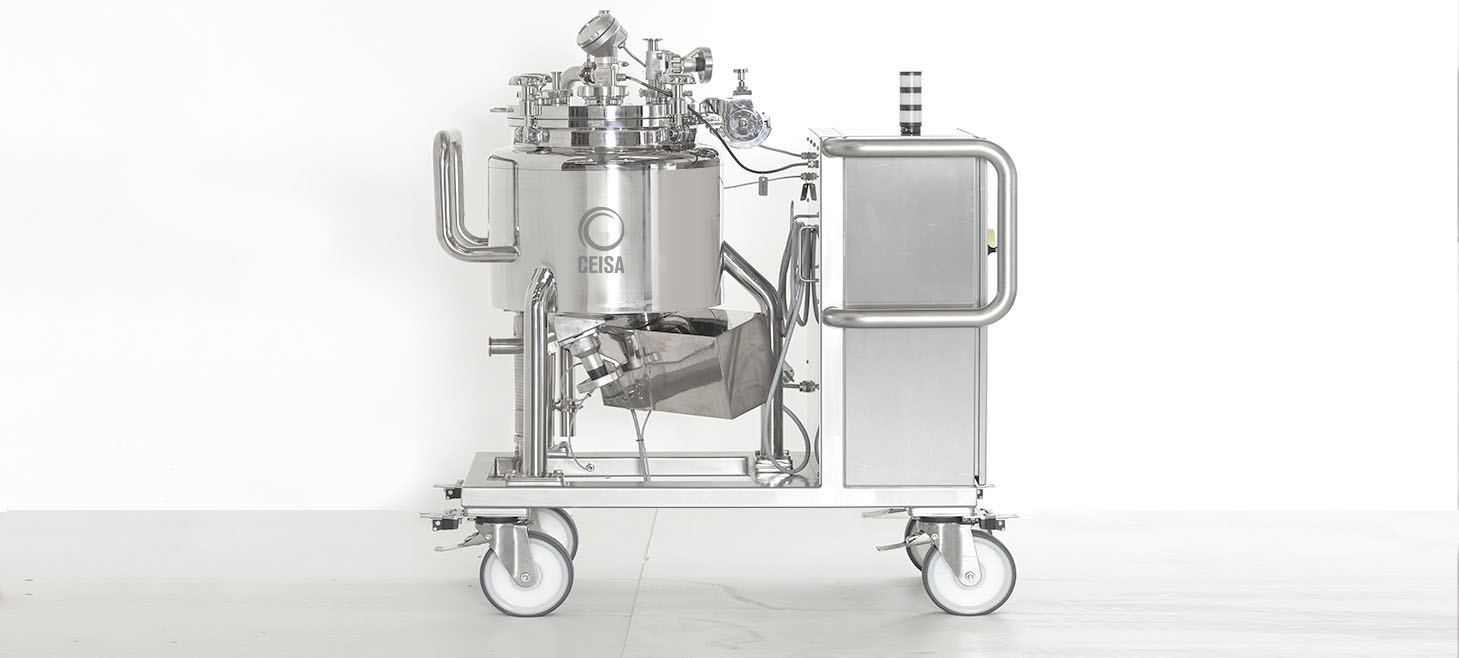
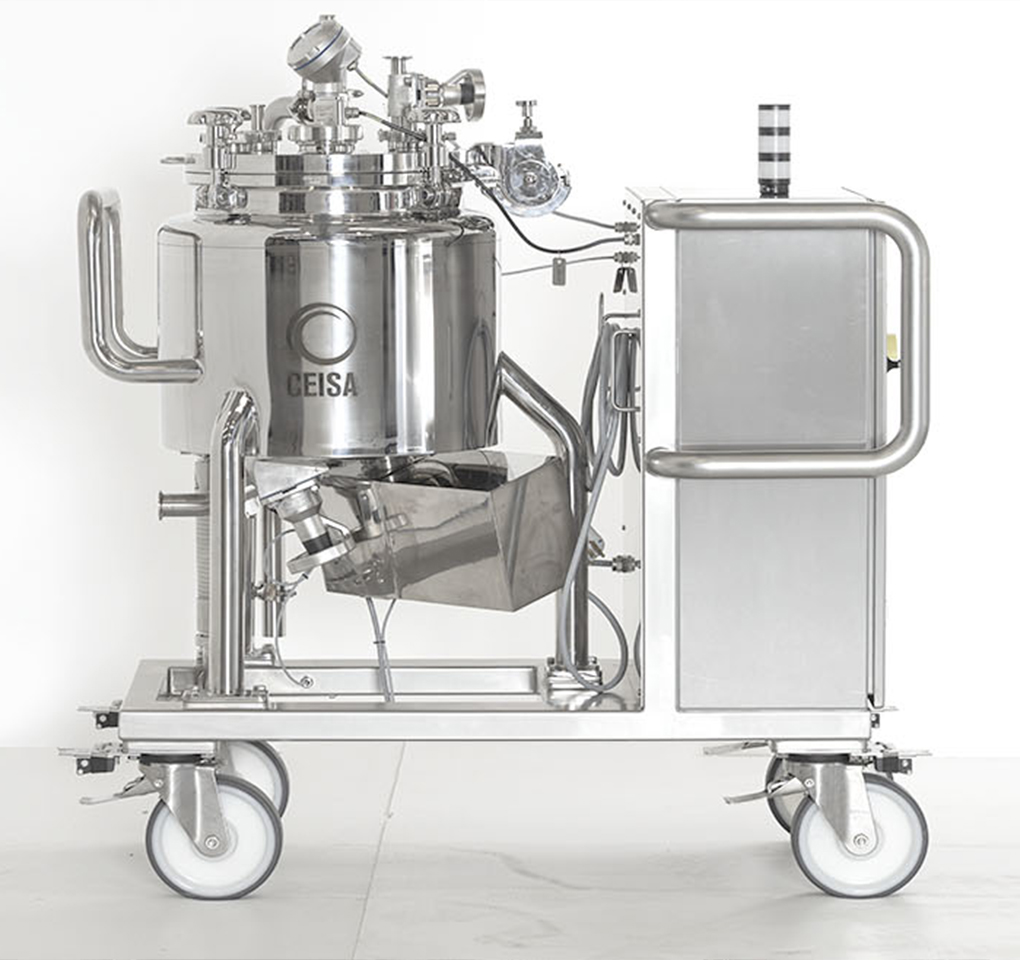
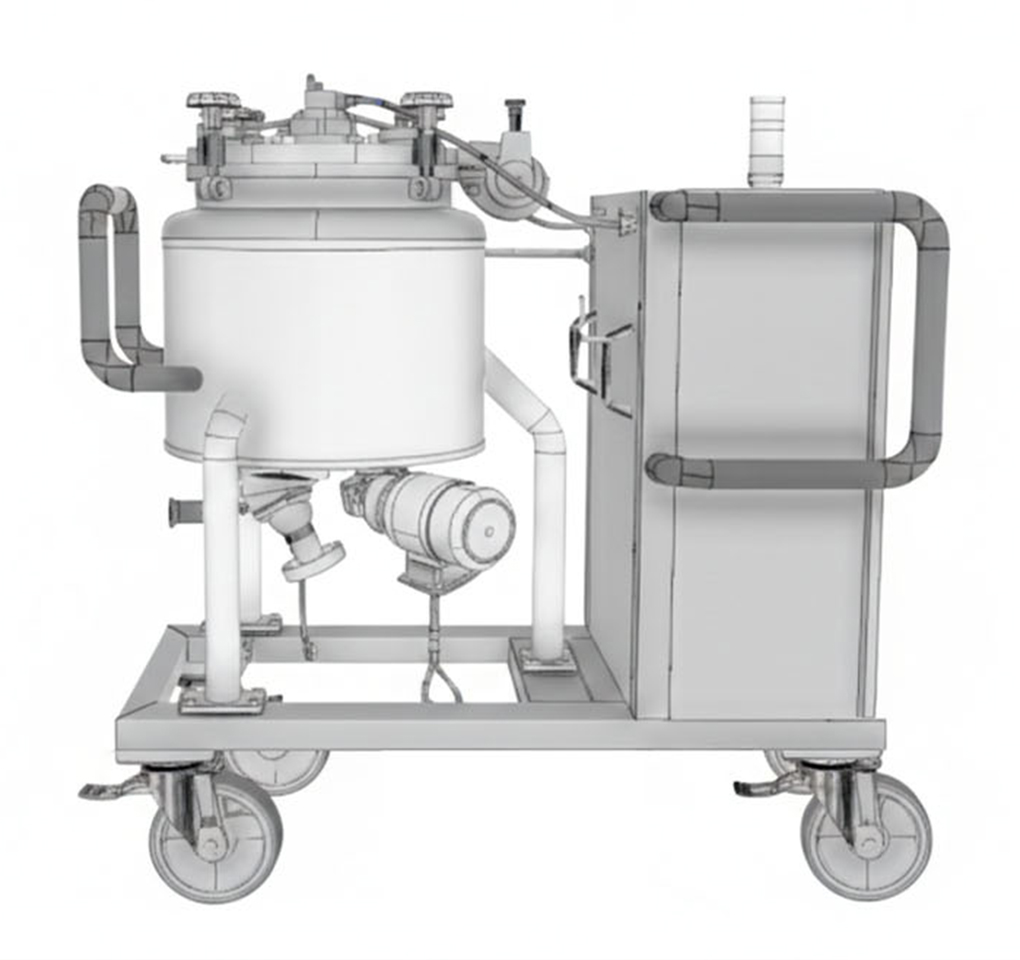
3D CAD Software Representation
We developed the 3D process model to visualize, analyze, and validate the complete design before manufacturing and plant assembly.
Multidisciplinary integration in a single project
We integrate all project disciplines into a common work environment, ensuring smooth and coherent coordination during design.
Joint review with client
We validate the design with the client using the 3D model, optimizing engineering time and improving the final project quality.

Factory Acceptance Test
At CEISA, we know that the reliability and performance of process equipment are fundamental in the pharmaceutical industry and other critical sectors. That's why we offer FAT (Factory Acceptance Test) at our own facilities, ensuring that each piece of equipment meets the highest standards before its installation on-site.
Startup y Puesta en Marcha
Design Qualification (DQ)
We verified that the equipment design complies with the established technical and regulatory requirements, ensuring its suitability for the pharmaceutical process for which it is intended.
Operational Qualification (OQ):
We validate that the system operates according to the defined operating parameters, ensuring stable, secure, and compliant performance with applicable regulations.
Installation Qualification (IQ):
We verify that the equipment has been installed correctly, following design specifications and complying with all key quality and safety standards.
Factory Acceptance Test (FAT):
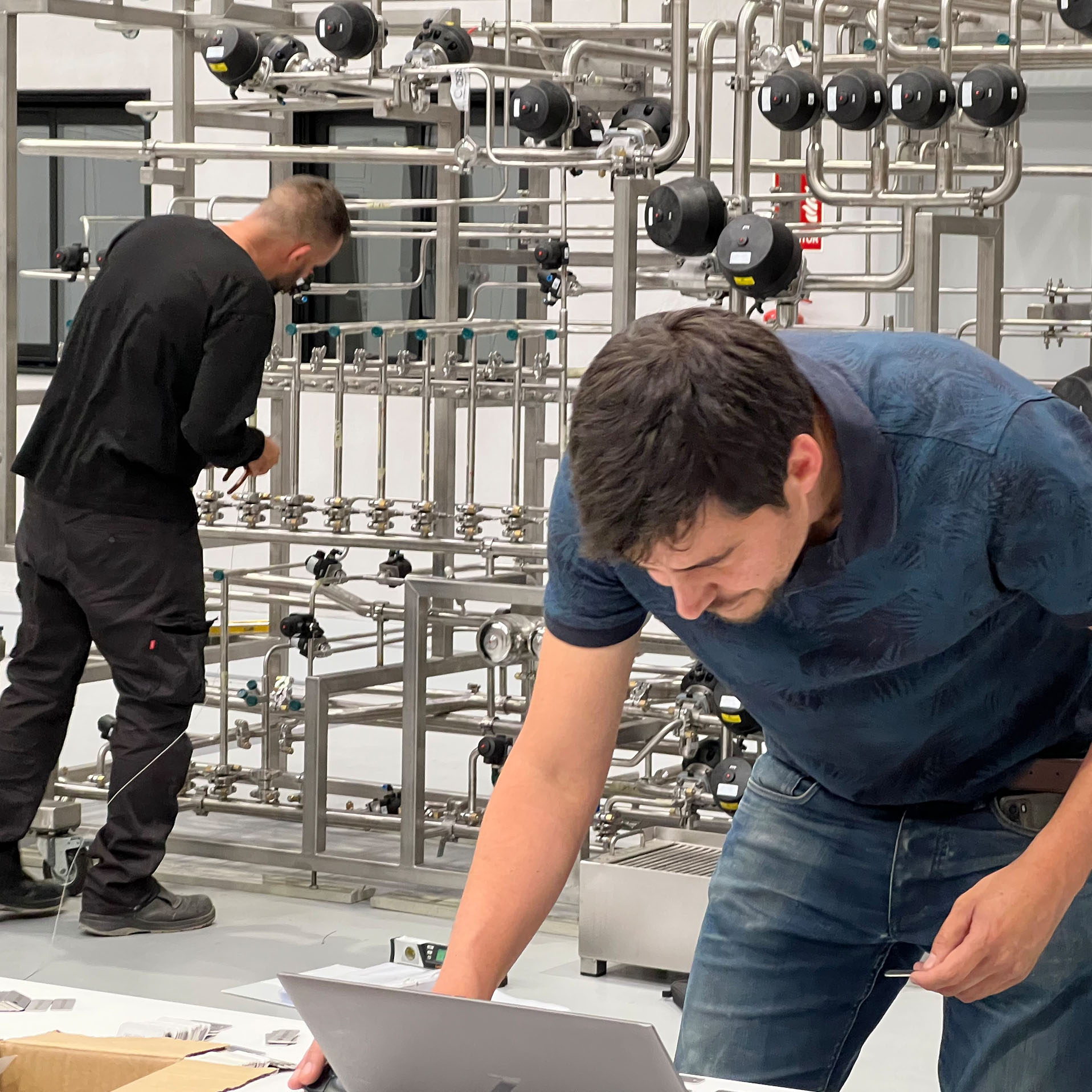
We conduct extensive, agreed-upon tests before delivery to verify that the equipment meets the design and performance specifications agreed upon with the client.
After-sales Service
We are responsible for carrying out all the necessary protocols for the correct commissioning of the equipment, guaranteeing that each system complies with the highest quality and safety standards required by the pharmaceutical industry.
- Maintenance: preventive, predictive, corrective, and remote
- Equipment Updates and Optimization
- Technical and operational training
Comprehensive equipment lifecycle management with service level agreements tailored to each client.
Preventive maintenance
- Proactive client planning.
- Reducing costs from unscheduled downtime.
- Increased equipment lifespan.
Spare parts management:
- Planned and continuous supply of spare parts.
- Definition of critical stock.
Predictive Maintenance (Digital Platform)
- Intelligent real-time monitoring system.
- Data visualization and analysis.
Corrective maintenance and remote assistance
- Rapid intervention for breakdowns or incidents.
- Minimize unscheduled downtime.
- Secure connection, end-to-end encryption.
- Real-time troubleshooting and resolution.
- Safety stock.
- Quick response.
Remote maintenance support
- Secure connection, end-to-end encryption.
- Control and adjustment of parameters.
- Periodic updates.
Continuous adaptation according to new regulations, technological improvements, operational requirements, and quality system enhancements.
Retrofits and upgrades
- Replacement of components, software, or control architecture.
- Improved reliability, efficiency, and regulatory compliance.
Process optimization
- Performance and operational efficiency improvement.
- Integration of new functionalities.
Regulatory compliance
- Keep equipment up-to-date to comply with local and international regulations.
- Improve security.
Technical support to achieve optimal production results, training equipment operators, both during startup and for subsequent questions during the production phase.
Specific training for the proper use of equipment:
- Technicians.
- Operators.
- Maintenance staff.
Operational support
- Resolution via remote assistance.
- In-person resolution if necessary.
Maintenance: preventive, predictive, corrective, and remote
Comprehensive equipment lifecycle management with service level agreements tailored to each client.
Preventive maintenance
- Proactive client planning.
- Reducing costs from unscheduled downtime.
- Increased equipment lifespan.
Spare parts management:
- Planned and continuous supply of spare parts.
- Definition of critical stock.
Predictive Maintenance (Digital Platform)
- Intelligent real-time monitoring system.
- Data visualization and analysis.
Corrective maintenance and remote assistance
- Rapid intervention for breakdowns or incidents.
- Minimize unscheduled downtime.
- Secure connection, end-to-end encryption.
- Real-time troubleshooting and resolution.
- Safety stock.
- Quick response.
Remote maintenance support
- Secure connection, end-to-end encryption.
- Control and adjustment of parameters.
- Periodic updates.
Equipment Updates and Optimization
Continuous adaptation according to new regulations, technological improvements, operational requirements, and quality system enhancements.
Retrofits and upgrades
- Replacement of components, software, or control architecture.
- Improved reliability, efficiency, and regulatory compliance.
Process optimization
- Performance and operational efficiency improvement.
- Integration of new functionalities.
Regulatory compliance
- Keep equipment up-to-date to comply with local and international regulations.
- Improve security.
Technical and operational training
Technical support to achieve optimal production results, training equipment operators, both during startup and for subsequent questions during the production phase.
Specific training for the proper use of equipment:
- Technicians.
- Operators.
- Maintenance staff.
Operational support
- Resolution via remote assistance.
- In-person resolution if necessary.